- KN5 Road Remera Kigali
- info@rwandacarrentals.com
- +250 787809667
Virunga National Park is a UNESCO World Heritage Site in the eastern Democratic Republic of Congo, on the border of Uganda and Rwanda. Virunga is Africa’s oldest national park and is also the continent’s most biologically diverse protected area. The park’s 7800 square kilometers (3000 square miles) includes forests, savannas, lava plains, swamps, erosion valleys, active volcanoes, and the glaciated peaks of the Rwenzori mountains.
Virunga is home to about a quarter of the world’s critically endangered mountain gorillas. The park’s two other Great Ape species, eastern lowland Grauer’s gorillas and chimpanzees, make Virunga the only park in the world to host three taxa of Great Apes. Another prominent inhabitant of the park is the Okapi, an endangered species that resembles a zebra but is more closely related to the giraffe. Large colonies of hippopotami, forest and savanna elephants, lions, and numerous rare bird species can also be found in the park.
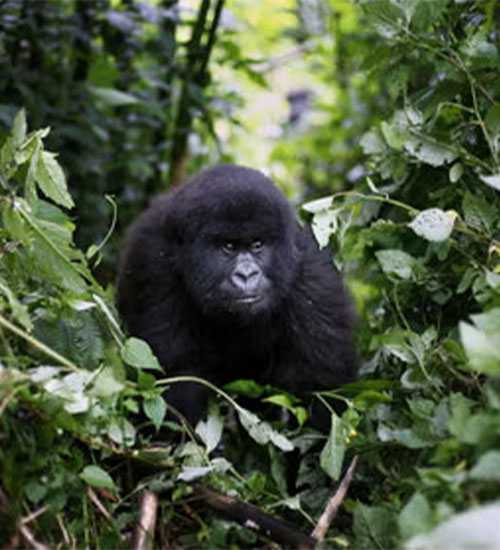
Virunga National Park offers a rare mix of primate encounters, volcano adventures, forest exploration, and scenic wilderness experiences. It is one of the few destinations in Central Africa where travelers can combine mountain gorilla trekking, chimpanzee encounters, and dramatic volcanic landscapes within a single itinerary, making it one of the most diverse safari and adventure parks in the region.
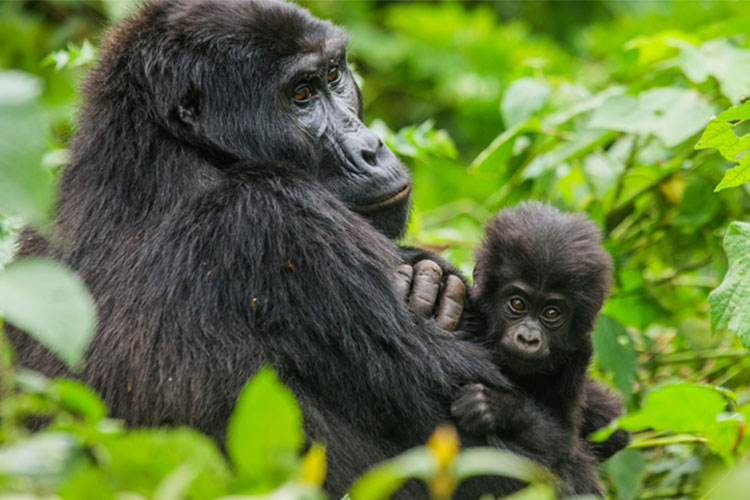
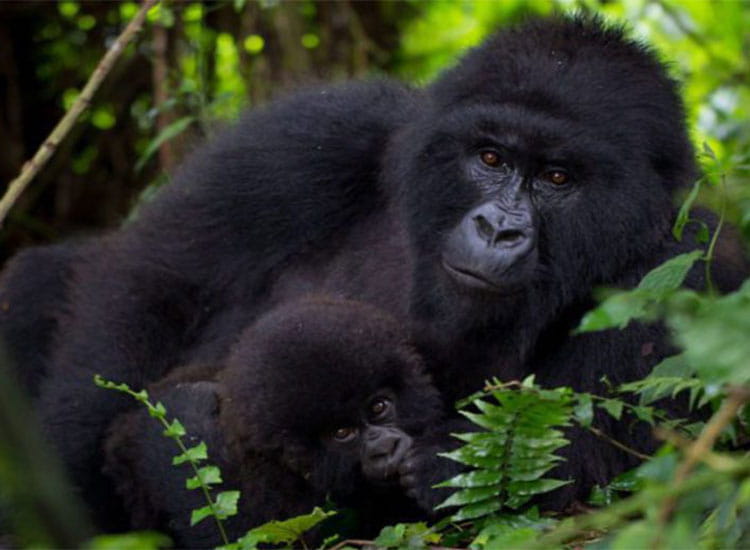
Virunga’s most iconic experience, mountain gorilla trekking takes visitors into the forested slopes of the Virunga Mountains in search of habituated gorilla families. It offers a rare chance to spend time with these endangered primates in one of Africa’s most remarkable forest environments.
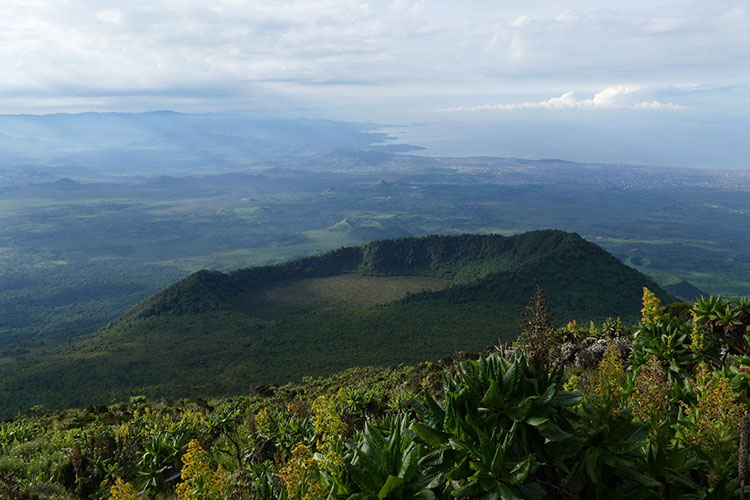
The Nyiragongo Volcano hike is one of Virunga’s most dramatic adventures, leading visitors to the summit of one of Africa’s most active volcanoes. The trek is best known for its spectacular crater and the famous lava lake that makes this mountain one of the park’s biggest highlights.
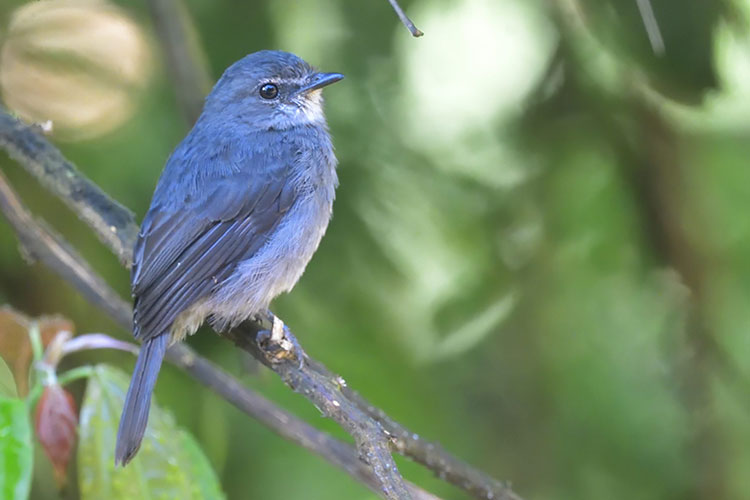
Virunga National Park supports a rich variety of birdlife across its forests, wetlands, and open landscapes, making it rewarding for birding enthusiasts. Birdwatching can be enjoyed as a dedicated activity or combined with nature walks and other excursions within the park.
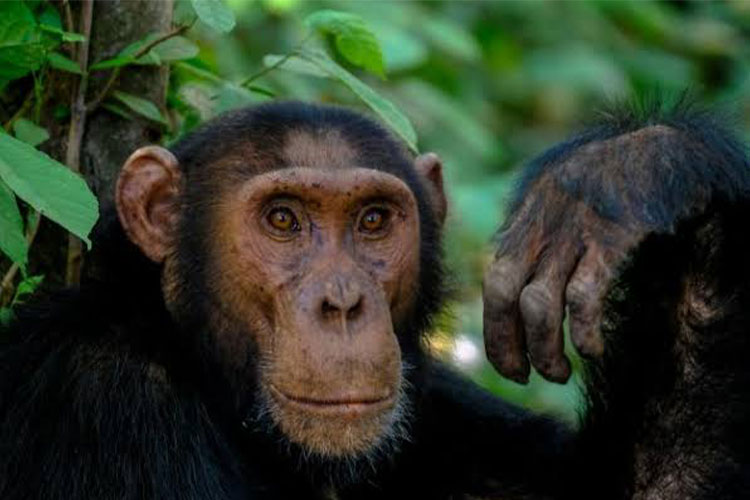
Chimpanzee habituation gives visitors the chance to follow chimpanzees in the forest while learning more about their behaviour and daily movements. It offers a different primate experience from gorilla trekking and adds another exciting wildlife encounter to a Virunga itinerary.
Virunga National Park is made up of dramatic volcanic landscapes, forested mountain slopes, lake shores, and remote wilderness areas that each offer a different side of the park. From gorilla trekking regions and active volcanoes to scenic islands and wildlife-rich plains, these are some of the most important places to include in a Virunga safari itinerary.
The Mikeno Sector is one of the most important areas in Virunga National Park because it is the main base for mountain gorilla trekking. Its forested slopes and montane vegetation form part of the Virunga Massif, creating the ideal habitat for endangered mountain gorillas and making it one of the park’s most visited sectors.
Mount Nyiragongo is one of Virunga’s most iconic natural attractions and one of the most active volcanoes in Africa. Famous for its dramatic summit crater and lava lake, it draws travelers looking for one of the most adventurous and visually striking experiences in the park.
Lake Edward forms part of Virunga’s central landscape and adds a completely different character to the park from the forest and volcano regions. Its surrounding plains and shoreline habitats support birdlife, wildlife, and beautiful open scenery that reveal the broader diversity of Virunga beyond gorilla trekking.
The Lulimbi area lies in the central sector of Virunga and is known for its remote setting, scenic plains, and peaceful wilderness atmosphere. It is a rewarding part of the park for travelers who want to experience Virunga’s quieter landscapes, wildlife habitats, and a side of the park that feels less visited than the southern gorilla region.
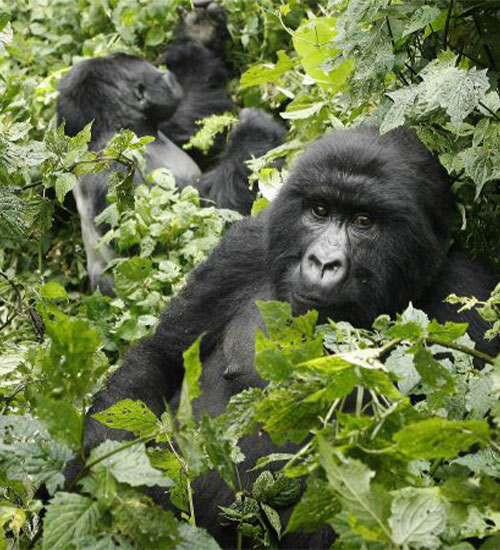
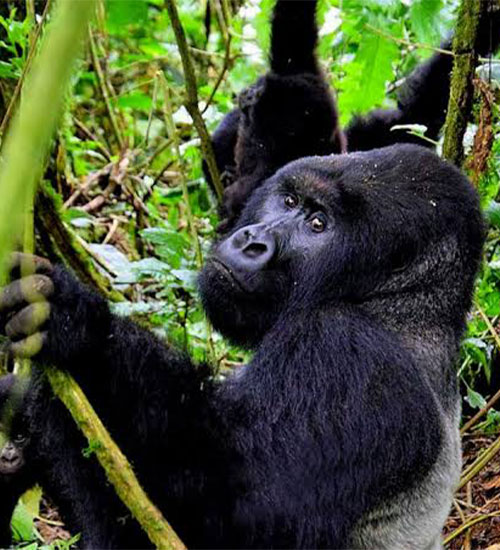
Virunga National Park protects an extraordinary range of wildlife thanks to its mix of montane forest, volcanic slopes, wetlands, open plains, and lakeside habitats. While the park is best known for mountain gorillas, it supports many other species that make it one of the most biologically important protected areas in Central Africa.
The park is home to endangered mountain gorillas, chimpanzees, forest elephants, buffaloes, hippos, antelope, and a wide variety of monkeys and smaller mammals. Its wetlands and forests also support rich birdlife, making Virunga appealing not only to gorilla trekkers but also to birdwatchers and travelers interested in broader wildlife diversity.
This variety is part of what makes Virunga such a rewarding safari destination. A trip here is not focused on one species alone but on a wider wilderness experience where forests, primates, volcanoes, birds, and remote landscapes all come together in one remarkable national park.
Virunga National Park can be visited throughout much of the year, but the drier months are generally better for gorilla trekking, forest walks, and volcano hiking because the trails are easier to navigate. Weather can vary across the park depending on whether you are visiting the gorilla sector, the volcano region, or the lake and plains areas, so the best time often depends on the activities you want to prioritise.
Yes. Mountain gorilla trekking is one of Virunga National Park’s main experiences and takes place in the forested southern sector of the park. Visitors trek with trained guides and trackers in search of habituated gorilla families, and once the gorillas are found, they are allowed to spend a limited time observing them in their natural habitat.
Yes, the Nyiragongo Volcano hike is one of Virunga’s most famous adventure activities and can be included as part of a park itinerary. It is a demanding trek rather than a casual walk, so visitors should come prepared with good hiking shoes, warm clothing, rain protection, and enough fitness for a full volcanic climb and overnight summit stay.
Yes, Virunga offers chimpanzee habituation, which gives visitors the chance to follow chimpanzees in the forest while learning more about their behaviour and movement. It is a different experience from gorilla trekking and works well for travelers who want to add another primate encounter to their safari.
Virunga has a small but distinctive selection of accommodation depending on the kind of trip you want. Mikeno Lodge is well suited to gorilla trekking in the southern sector, Tchegera Island Camp is ideal for scenic relaxation around Lake Kivu, and Lulimbi Tented Camp is better for travelers exploring the central sector and its quieter wilderness landscapes.
Visitors should pack comfortable hiking shoes, long trousers, neutral safari clothing, a rain jacket, warm layers for cooler mountain conditions, sunscreen, insect repellent, binoculars, and a reusable water bottle. If you are planning gorilla trekking or the Nyiragongo hike, it is especially important to prepare for muddy trails, changing weather, and physically active excursions.