- KN5 Road Remera Kigali
- info@rwandacarrentals.com
- +250 787809667
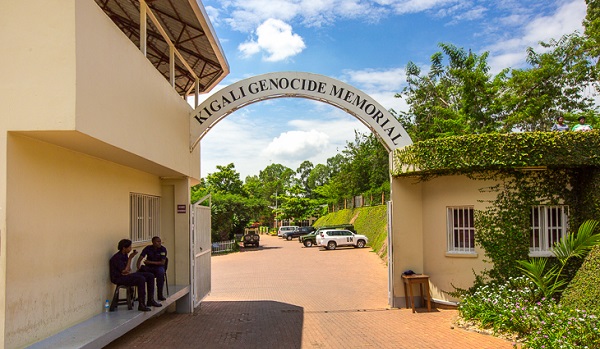
The Kigali Genocide Memorial is one of Rwanda’s most important historical and educational sites. Located in Gisozi, a short drive from the centre of Kigali, the memorial is the final resting place for more than 250,000 victims of the 1994 Genocide against the Tutsi. It was created to honour those who lost their lives, preserve the memory of the genocide, and help future generations understand the consequences of hatred, division, and violence.
For many visitors, the memorial becomes one of the most meaningful places they visit in Rwanda because it provides essential historical context to the country’s journey of resilience, healing, and rebuilding. Through exhibitions, personal stories, burial grounds, and memorial gardens, the site offers a powerful and deeply moving experience that goes far beyond a traditional museum visit.
The Kigali Genocide Memorial is not simply a place to see. It is a place to pause, learn, reflect, and remember. It stands as both a tribute to those who were lost and a reminder of the importance of peace, unity, and human dignity.
The main exhibition is the largest and most detailed part of the memorial. It documents the history, causes, and execution of the 1994 Genocide against the Tutsi through photographs, written accounts, personal testimony, video material, and historical explanation. It helps visitors understand how the genocide developed and the scale of the tragedy that unfolded over those one hundred days.
One of the most moving parts of the memorial is the children’s memorial, which honours children who were killed during the genocide. Their photographs and personal details make the loss deeply personal and remind visitors of the innocent lives that were taken. It is one of the sections that stays with many people long after they leave.
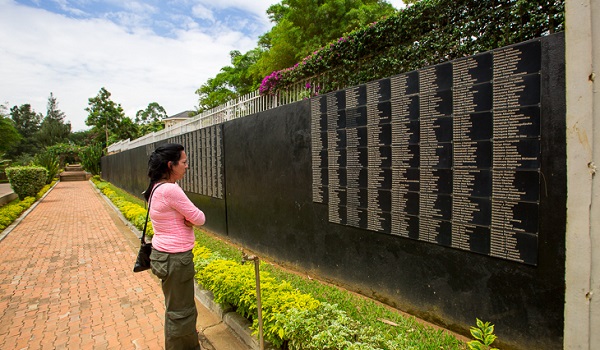
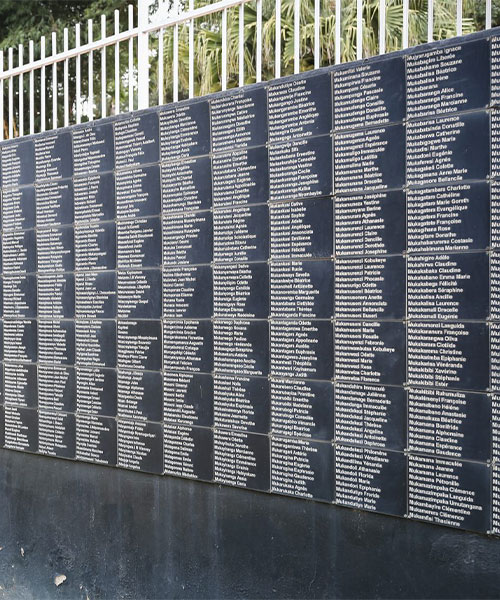
The memorial grounds include peaceful gardens and the burial site of more than 250,000 victims. These spaces are designed for quiet remembrance and reflection and are an essential part of the memorial’s identity as both a historical site and a final resting place for those who lost their lives.
The memorial is designed as a guided visitor experience. Visitors can choose to be guided by a member of staff or use the digital audio guide, which provides deeper context and explanation throughout the exhibitions and memorial spaces.
The Kigali Genocide Memorial was created to fulfil several important purposes. First, it serves as a dignified burial place for victims of the Genocide against the Tutsi and as a permanent space of remembrance for survivors, families, and future generations. It honours the dead while preserving the truth of what happened.
Second, the memorial is an educational centre that helps visitors understand the causes, implementation, and consequences of genocide. Through its exhibitions and historical material, it encourages people to reflect on the warning signs of hatred, exclusion, and violence and the need to resist them before they grow into mass atrocity.
The memorial also plays an important role in documentation and memory preservation. It helps protect testimony, historical evidence, and the stories of victims and survivors while supporting broader conversations around healing, reconciliation, and the long-term work of peacebuilding in Rwanda.
The Kigali Genocide Memorial uses three permanent exhibitions to carefully detail the origins and unfolding of the 1994 violence. Through archival photographs, video testimonies from survivors, and colonial records, the museum provides a clear, factual account of how the country descended into mass killing. It examines the roots of the ideology that fueled the hatred and explains the role of both the government and the international community in those dark months. The exhibits do not merely describe the events; they tell the stories of those who experienced them.
Yes. The memorial is designed as a guided educational experience, and visitors can either be guided by a member of staff or use the digital audio guide. Using a guide or audio guide is highly recommended because it gives much better context to the exhibitions and helps visitors understand the history more clearly.
Visitors should dress modestly and respectfully when visiting the memorial. Comfortable clothing is fine, but because this is a place of burial, remembrance, and reflection, it is best to avoid clothing that feels too casual or inappropriate for a serious memorial setting.