- KN5 Road Remera Kigali
- info@rwandacarrentals.com
- +250 787809667
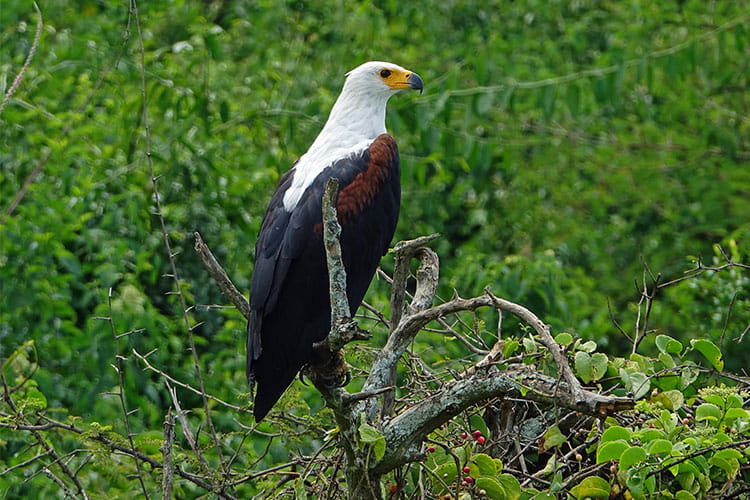
Queen Elizabeth National Park is understandably Uganda’s most popular tourist destination, and Uganda’s most visited national park. The park’s diverse ecosystems, which include sprawling savanna, shady, humid forests, sparkling lakes and fertile wetlands, make it the ideal habitat for classic big game, ten primate species including chimpanzees and over 600 species of birds.
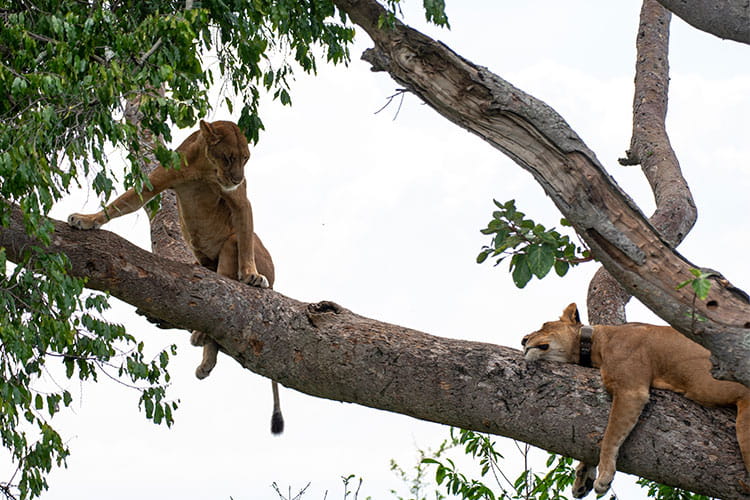
Set against the backdrop of the jagged Rwenzori Mountains, the park’s magnificent vistas include dozens of enormous craters carved dramatically into rolling green hills, panoramic views of the Kazinga Channel with its banks lined with hippos, buffalo and elephants, and the endless Ishasha plains, whose fig trees hide lions ready to pounce on herds of unsuspecting Uganda kob.
As well as its outstanding wildlife attractions, Queen Elizabeth National Park has a fascinating cultural history. There are many opportunities for visitors to meet the local communities and enjoy storytelling, dance, music and more. The gazetting of the park has ensured the conservation of its ecosystems, which in turn benefits the surrounding communities.
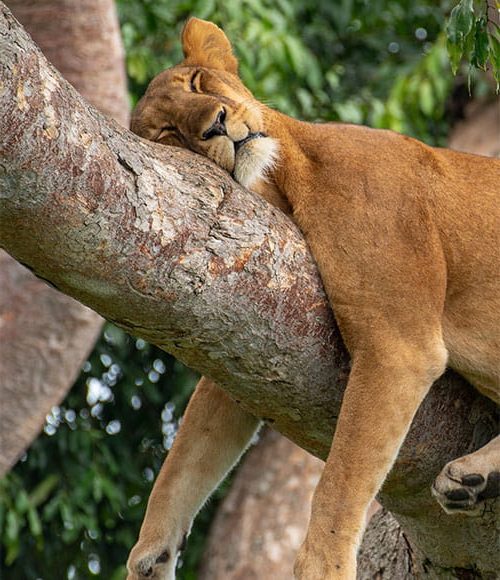
Queen Elizabeth National Park offers one of the most diverse safari experiences in Africa. From classic game drives across vast savannah plains to boat cruises packed with wildlife encounters, every part of the park presents a different adventure.
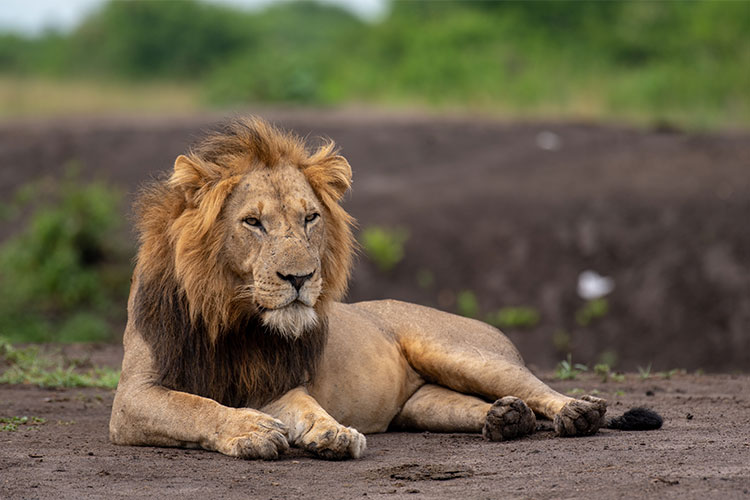
Explore the wildlife-rich plains of Kasenyi and other game viewing areas where visitors can encounter elephants, buffaloes, lions, leopards, Uganda kob, warthogs, and numerous antelope species.
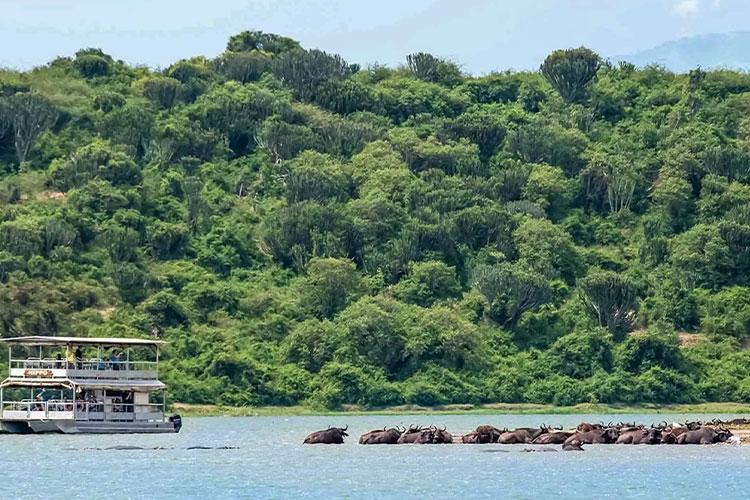
The Kazinga Channel connects Lake George and Lake Edward and attracts large concentrations of hippos, crocodiles, elephants, buffaloes, and water birds.
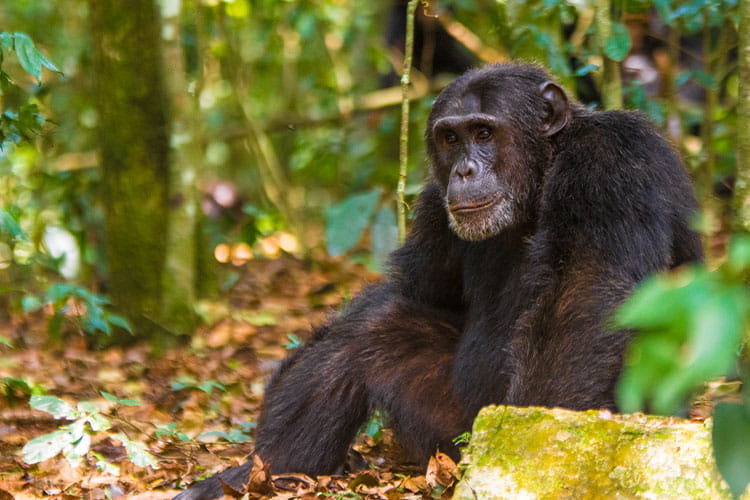
Descend into the spectacular Kyambura Gorge, often referred to as the Valley of Apes, and search for habituated chimpanzees within its lush forest environment.
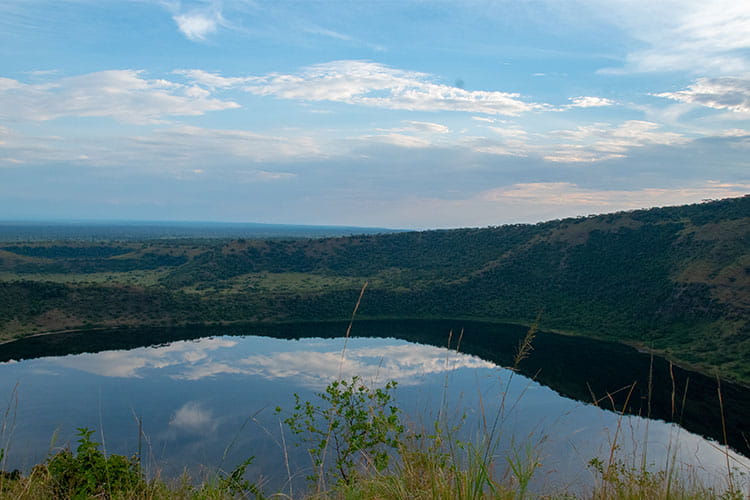
Discover a landscape shaped by ancient volcanic activity as you explore the crater lake region of Queen Elizabeth National Park. The scenic drive passes through rolling hills, panoramic viewpoints, and beautiful crater lakes that create some of the most breathtaking scenery in western Uganda.
The park is located in the western part of Uganda, covering districts of Kasese and part Rukungiri .
From Kampala the park can be reached through two major highways ( Kampala-Fortportal highway and Kampala-Masaka highway )
The Kampala- Fort portal high way channels off from Busega, going through Mubende and Fort portal and then to Kasese. Its is a 410km road from the city to park. Travelers can have a visit to Kibale National park if interested to see a home of the primates in Uganda( mainly chimpanzees)
The Kampala- Masaka highway channels off Natete going through Masaka, Mbarara and turn right approximately 1km after the Mbarara referral hospital then leave the Mbarara- Kabale road to switch to Mbarara-Kasese road driving for about 120 km. Travelers can have access to lake Mburo if interested.
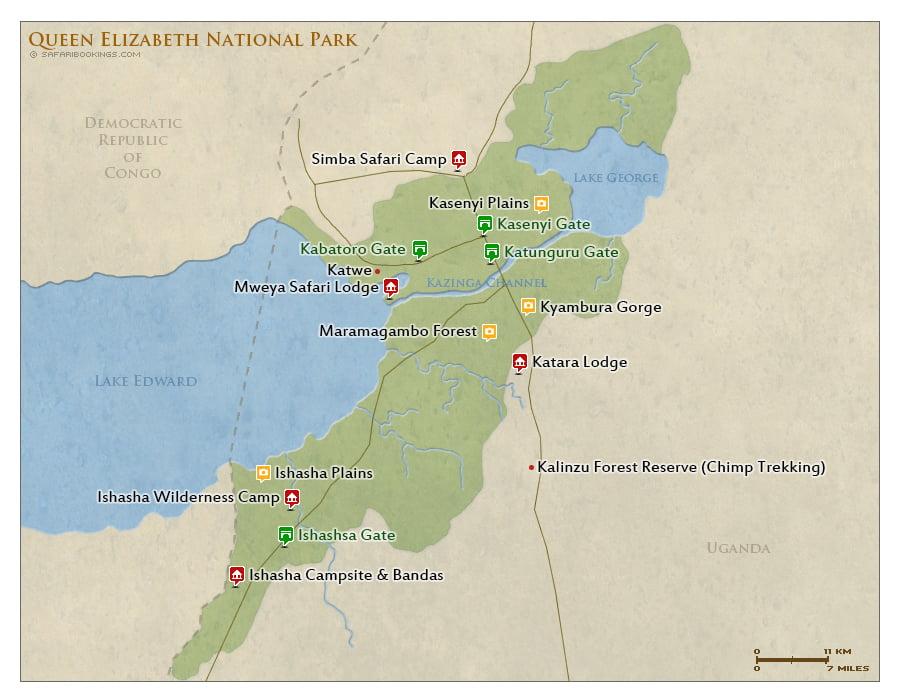
Queen Elizabeth National Park is filled with remarkable destinations that showcase its incredible wildlife, landscapes, and natural beauty. From wildlife-rich plains and forested gorges to scenic waterways and volcanic crater lakes, each area offers a unique experience for visitors exploring Uganda’s most popular national park.
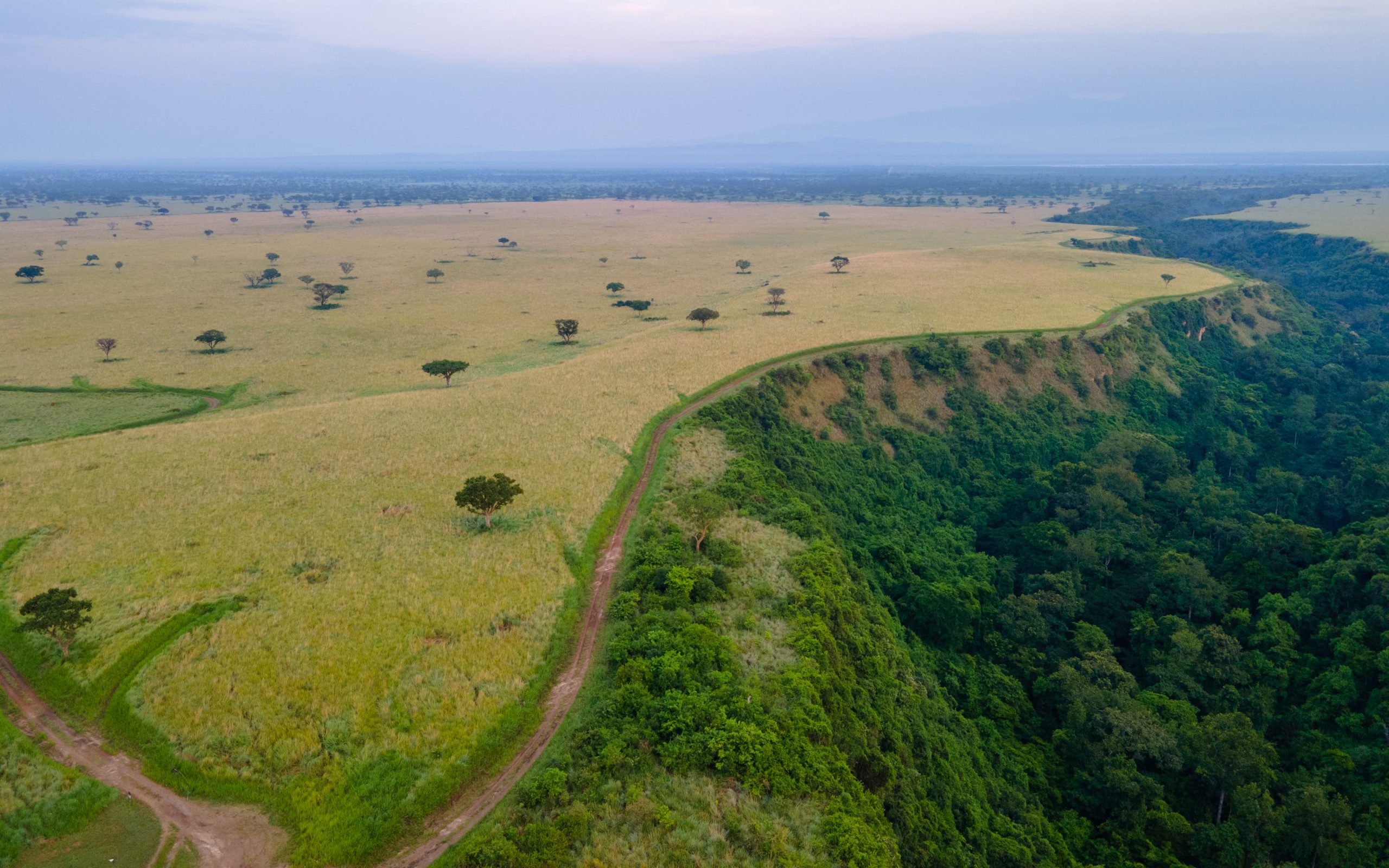
The Kasenyi Plains are among the park’s most famous wildlife viewing areas and a favourite destination for game drives.
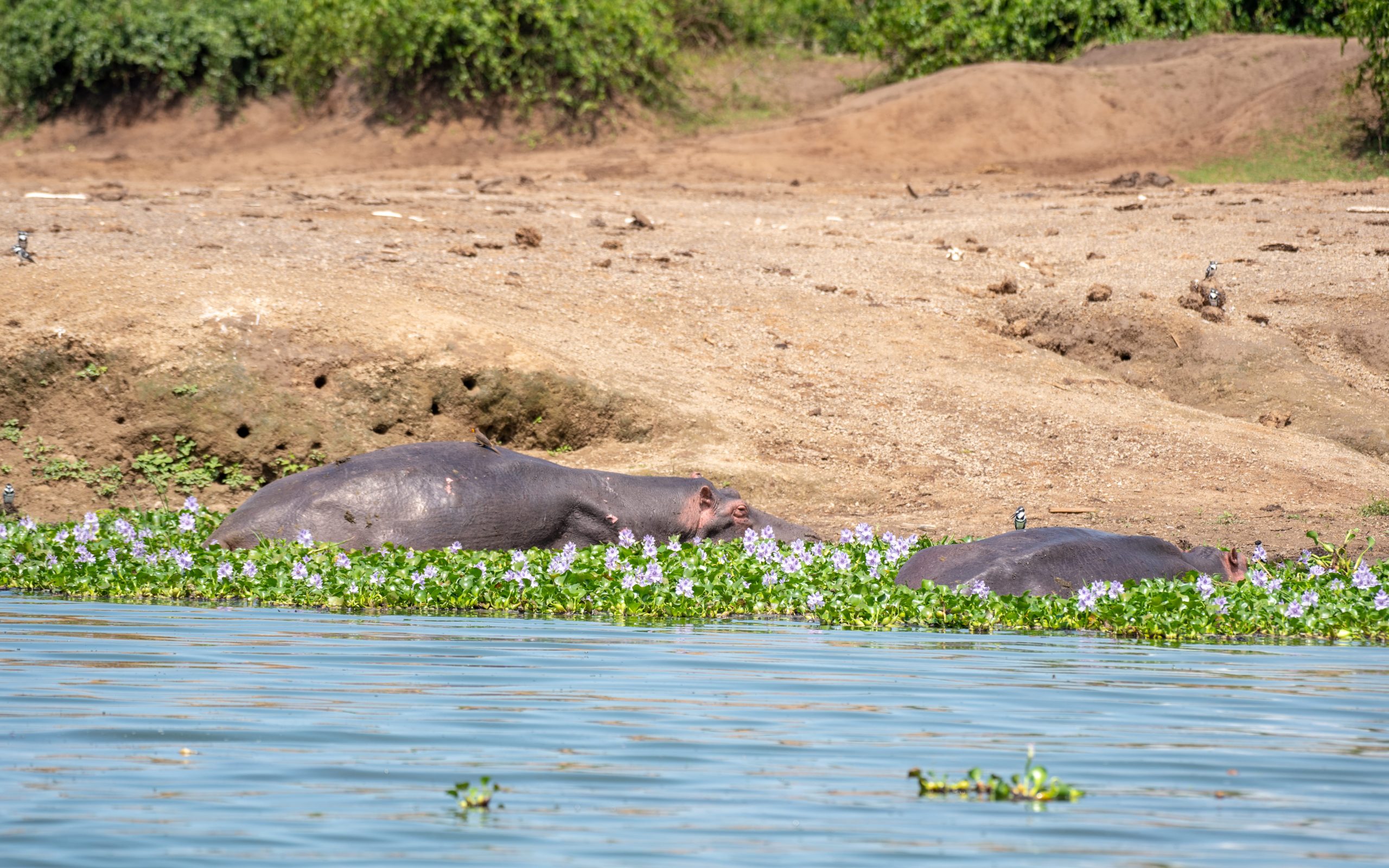
The channel supports one of Africa’s highest concentrations of hippos and attracts crocodiles, elephants, buffaloes, and countless bird species
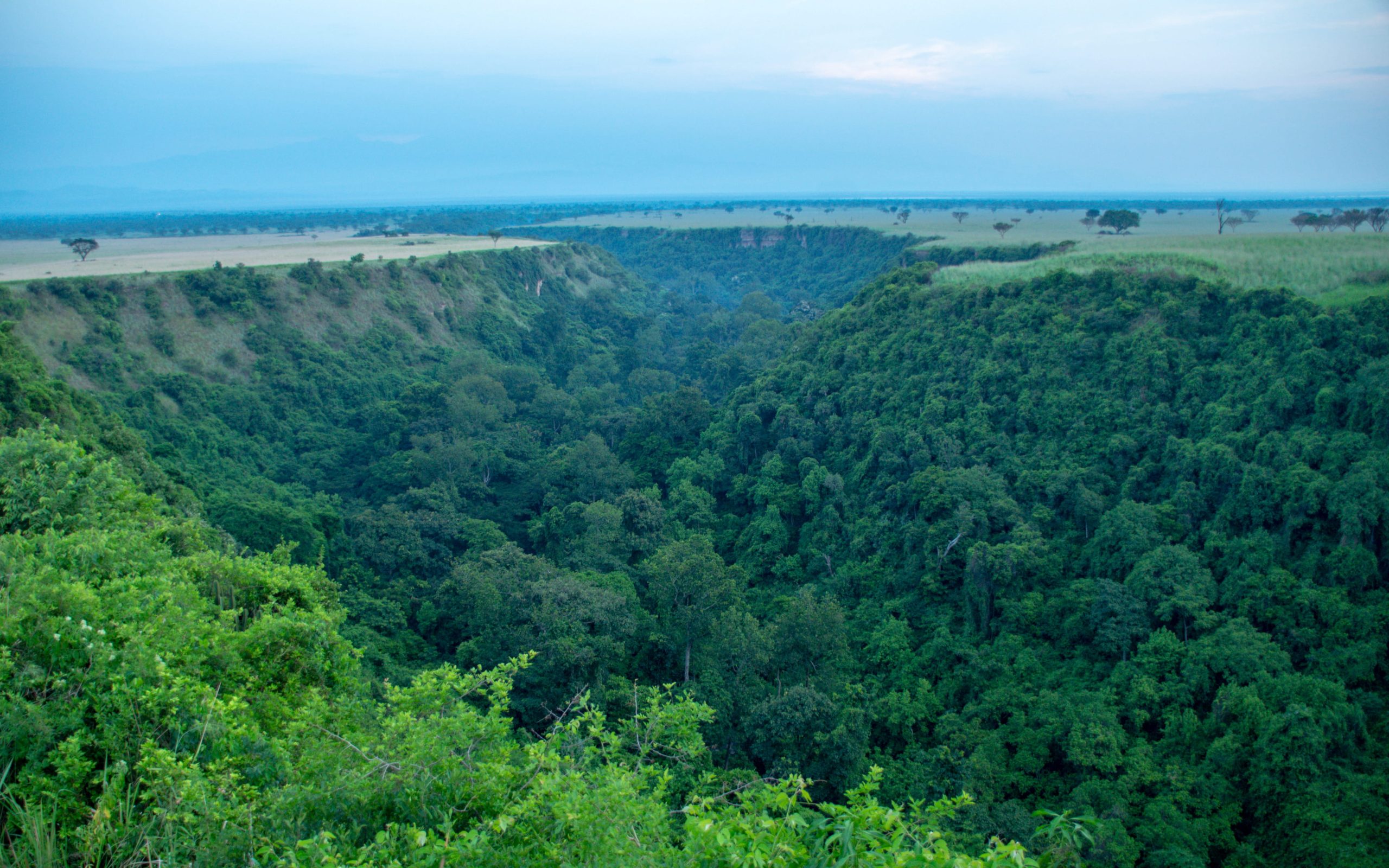
Home to habituated chimpanzees . Its dramatic scenery and rich biodiversity make it one of the park’s most fascinating destinations.
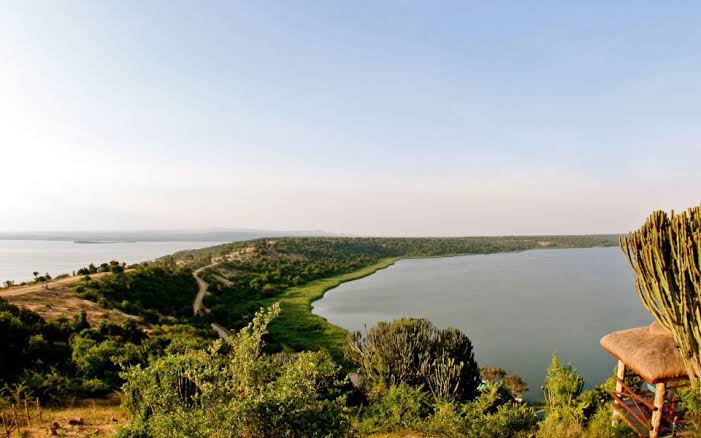
Situated between the Kazinga Channel and Lake Edward, Mweya Peninsula offers spectacular views, excellent wildlife viewing, boat safari departures
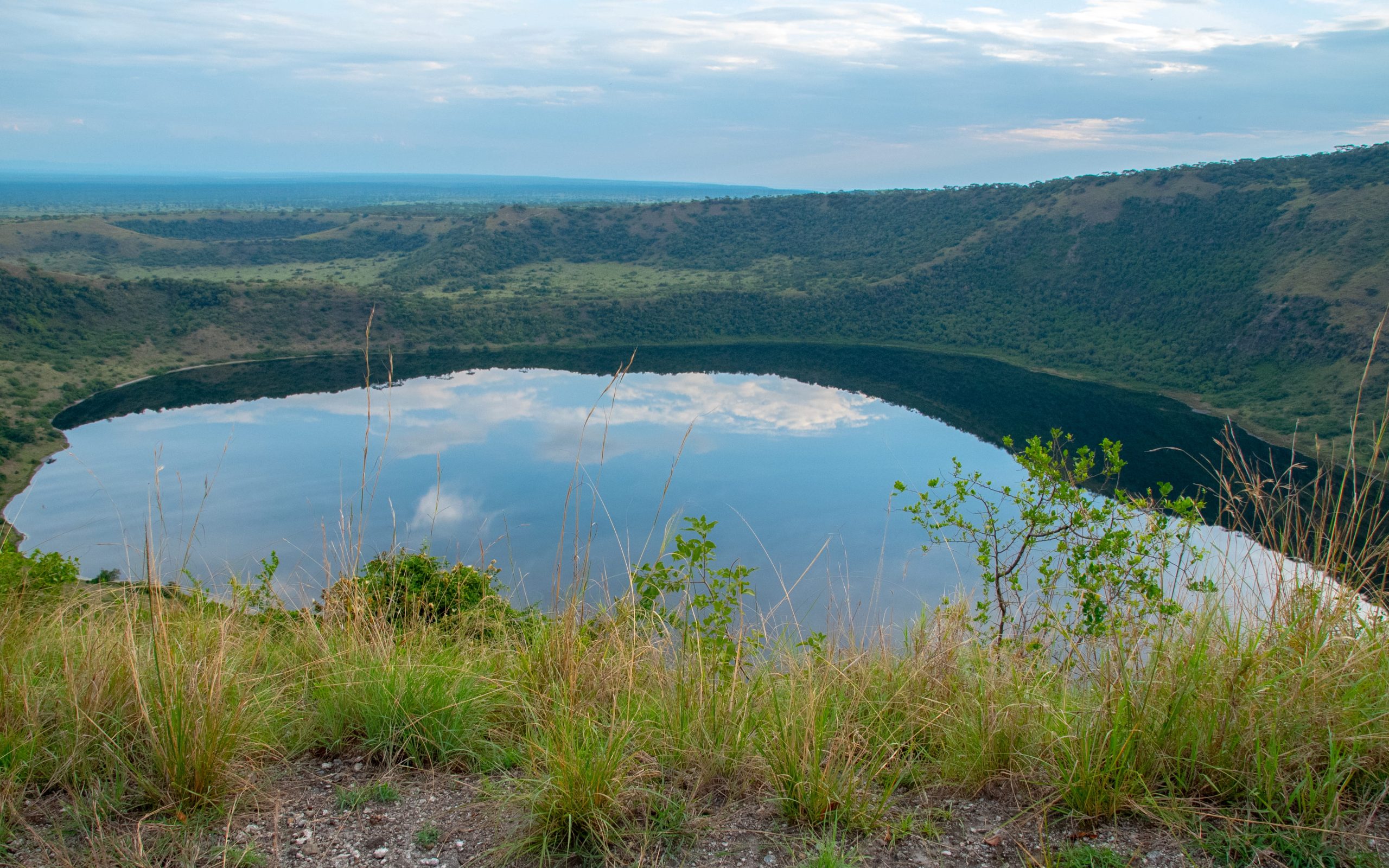
The Katwe region features a collection of volcanic crater lakes formed by ancient volcanic activity.
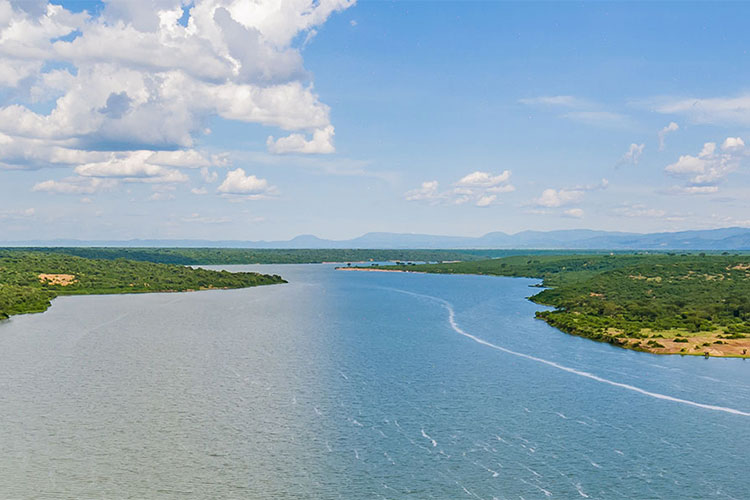
One of Africa’s Great Lakes, Lake Edward forms part of the western boundary of Queen Elizabeth National Park.
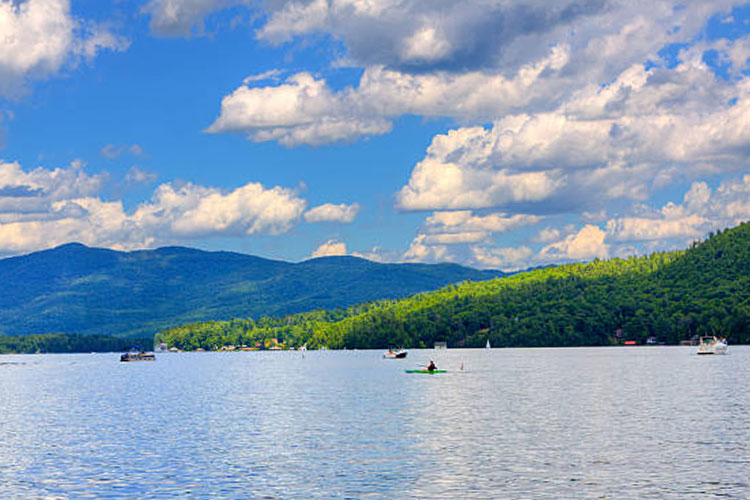
Connected to Lake Edward by the Kazinga Channel, Lake George contributes significantly to the park’s rich biodiversity.
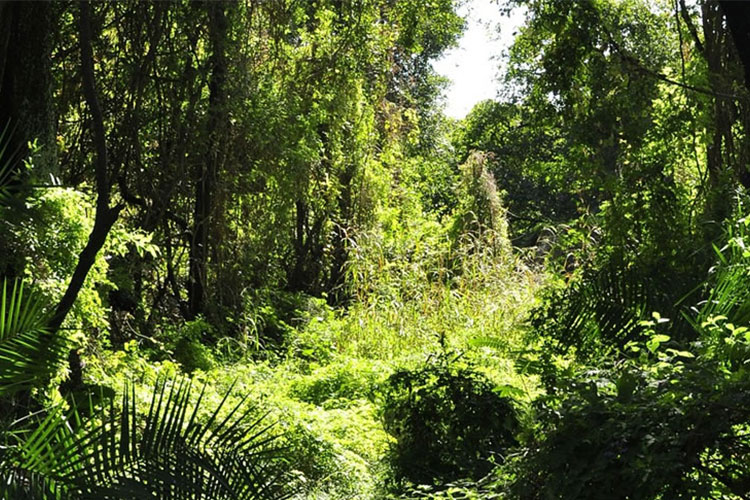
Maramagambo Forest is one of Uganda’s largest natural forests and offers a completely different experience from the park’s savannah landscapes. T